

You know that feeling.
You’ve learned the settings.
You understand your camera.
You’ve practiced.
And your photos are… fine.
They’re sharp.
They’re exposed correctly.
Nothing is technically wrong.
But something still feels off.
You can’t fully explain it, but when you compare your work to photographers you admire, there’s a gap.
Here’s the truth no one really says clearly:
It’s not your camera.
It’s not your presets.
And it’s probably not your settings either.
It’s everything happening around your subject.

You’re focusing on the subject… but not the scene
Most photographers are locked in on one thing:
“Does my subject look good?”
But strong images are about more than that.
They’re about:
- What’s behind your subject
- What’s around your subject
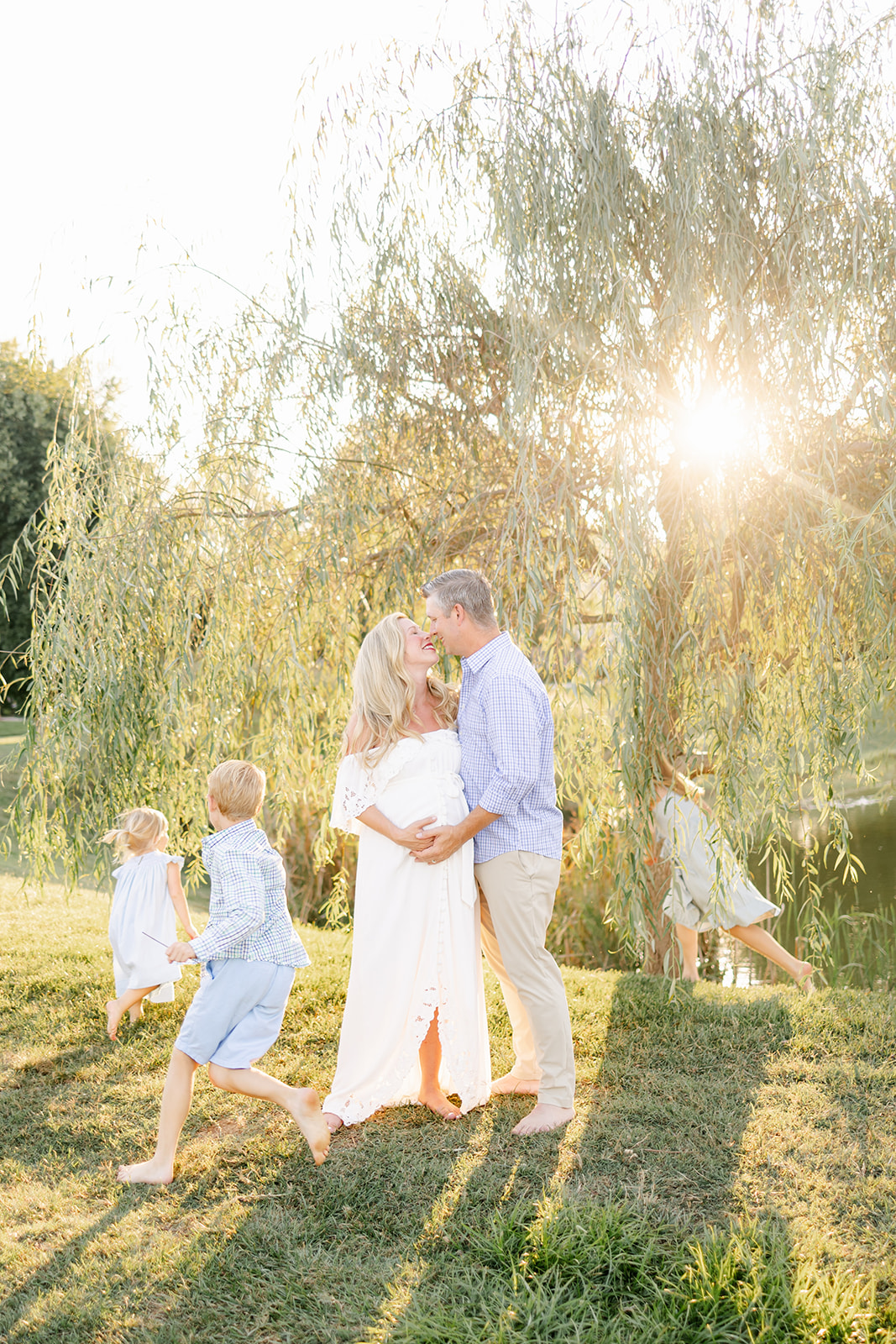
- How light is hitting your subject
- And how all of those things work together
You can have a beautiful subject in bad light, with a distracting background… and the photo will still fall flat.
This is usually the moment people start chasing presets or editing styles…
But editing can’t fix a photo that wasn’t set up well to begin with.
Light is either helping you… or quietly ruining your photo
This is the biggest one.
You can have perfect settings and still get a dull image if your light isn’t right.
Ask yourself:
- Is the light directional or flat?
- Are there weird color casts bouncing onto your subject?
- Is your subject evenly lit or patchy?
Flat light = flat photos.
Harsh mixed light = muddy skin tones.
And most of the time, people don’t realize light is the issue… they just feel like something is off and try to fix it later.
Your background matters more than you think
A cluttered or distracting background will take away from your image instantly.
Even if your subject looks great.
Start looking for:
- Bright spots pulling attention
- Lines or objects cutting through your subject
- Anything that competes with your subject
A small shift left or right can completely change your photo.
The goal isn’t to find a perfect location…
It’s to simplify what’s already there.
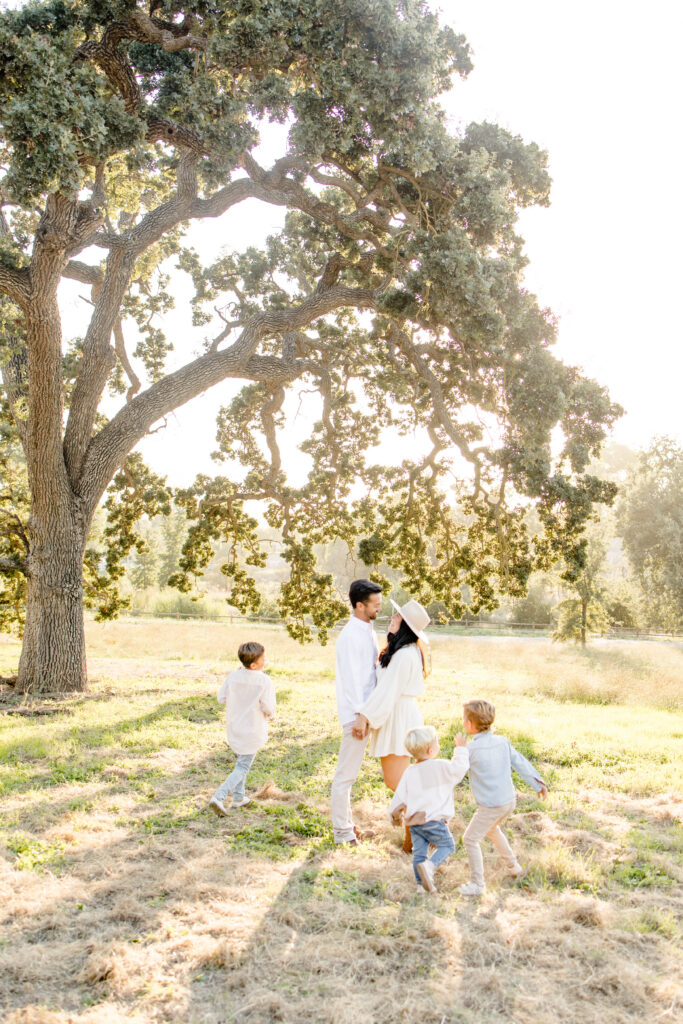
You’re missing depth
This is one of the biggest differences between beginner and advanced work.
Flat images feel lifeless.
You want:
- Space between your subject and background
- Layers when possible
- Intentional framing
This is what gives your photos that soft, dimensional, almost “glowy” look people are drawn to.
It’s not one big mistake… it’s small ones stacking
Most of the time, it’s not one obvious problem.
It’s:
- Slightly off light
- Slightly distracting background
- Slightly flat composition
Individually, they don’t seem like a big deal.
Together… they’re everything.
What actually changes everything
You stop trying to fix it in editing…
and you start seeing your scene before you take the photo.
That’s the shift.
Once you understand how to:
- Find good light
- Clean up your background
- Position your subject intentionally
Everything clicks.
And this is exactly what I teach inside my program, Photo Formula—how to stop guessing and start creating images that actually look the way you want them to.









+ COMMENTS
add a comment